

Ineza Karalashvili has been making wine in the Kakheti region of Georgia for over sixty years, together with her brother Tamaz. Their family has been making and selling wine for generations before that, with their forebears among the influential "Merchants of the First Guild" in the nineteenth century.
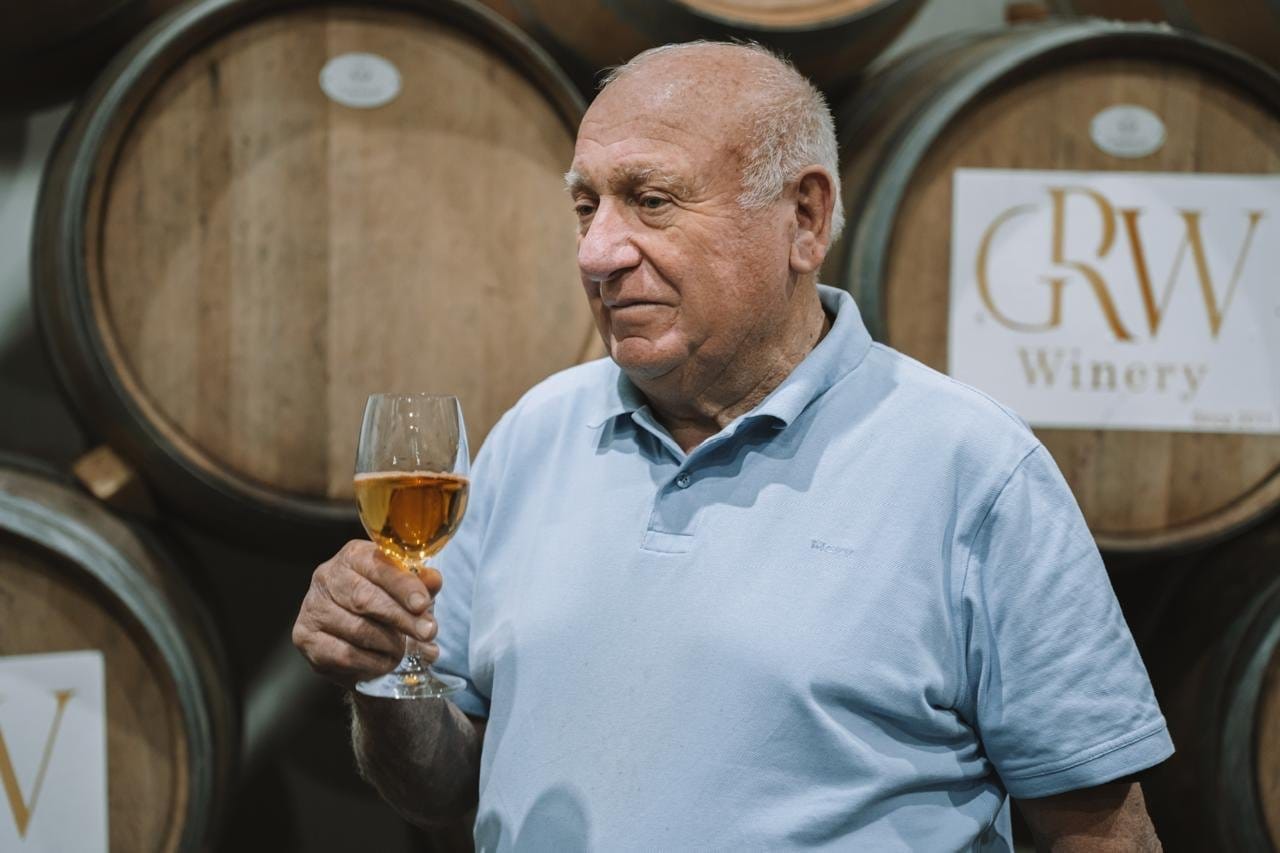
Ineza, who recently turned 85, is the wine chemist responsible for quality control at Georgian Royal Wine, and Tamaz is the head winemaker. They work together with the family’s younger generation, including Rezo, Kate, and Irma. Irma, Ineza’s daughter, joins the Modo di Bere podcast New York City to translate for her mother and uncle as they call in from Georgia.
Irma describes the Georgian feast, or "supra," including the personality traits required to serve as the "tamada," a sort of master of ceremonies who leads the complex toasting ritual. Irma recently had Rose Thomas over to her place for a miniature supra, where they tasted her family's delicious wines and Irma's incredible cooking, a skill she learned from her mother. She also teaches Rose Thomas several Georgian drinking sayings.
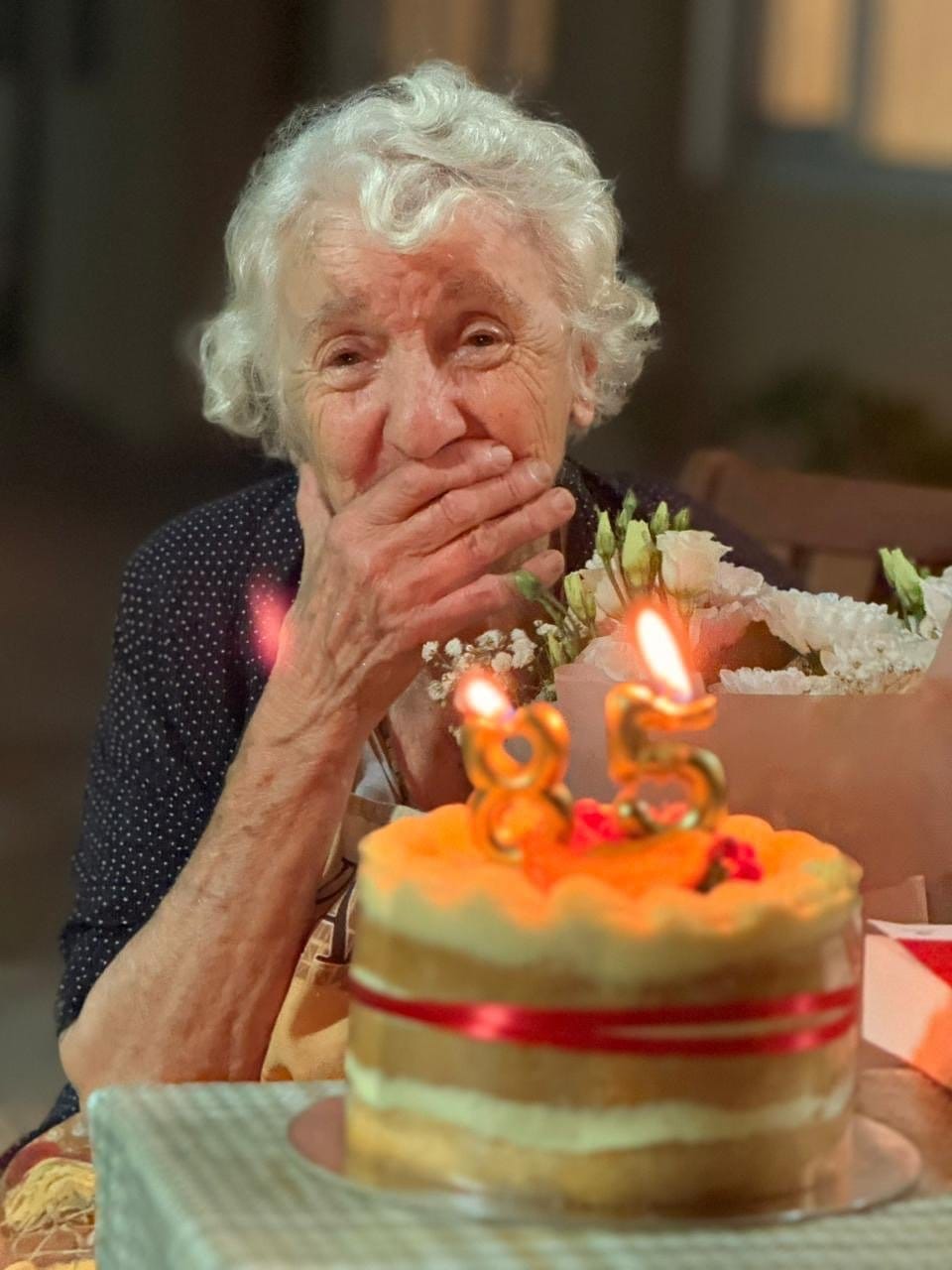
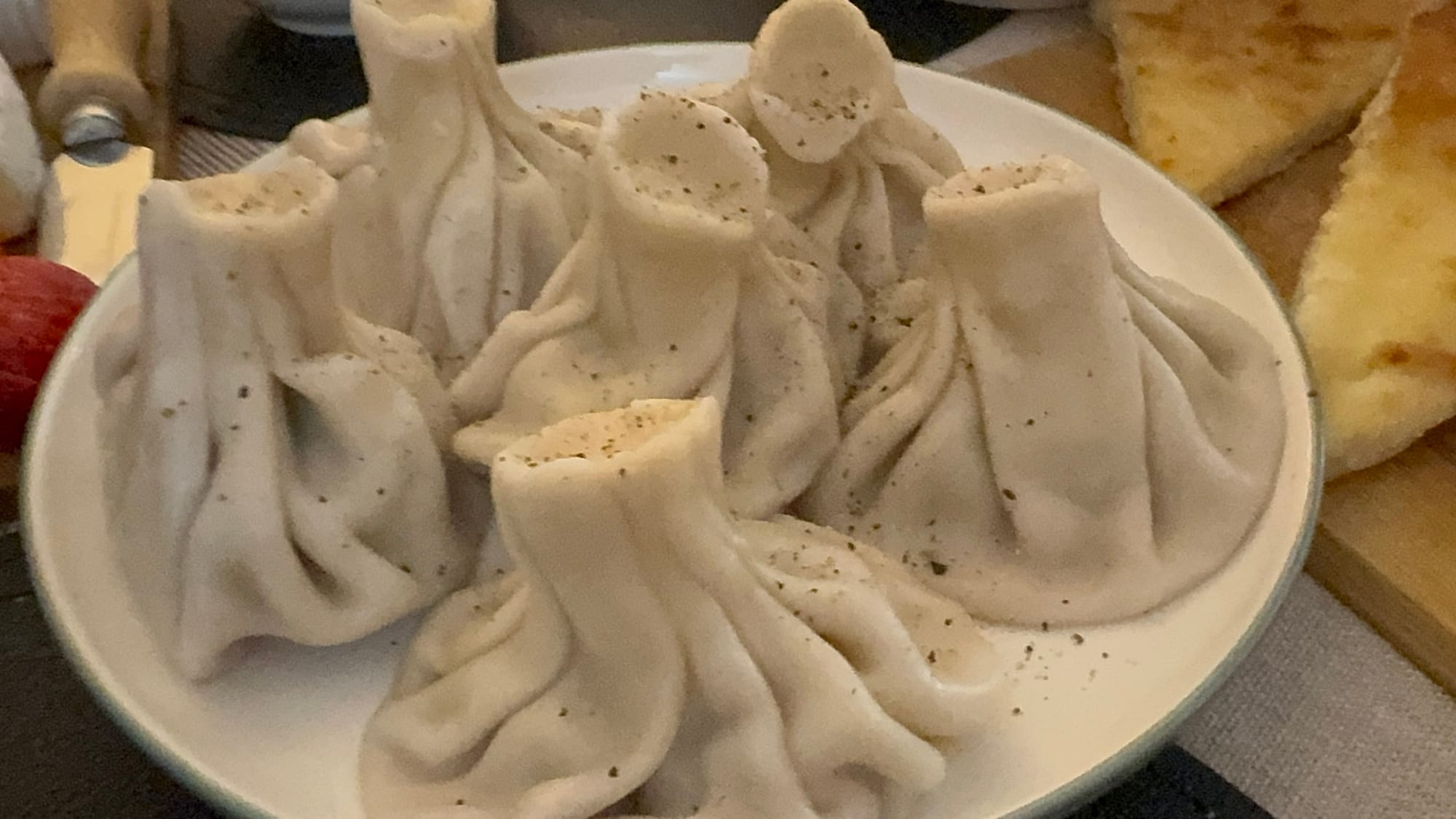
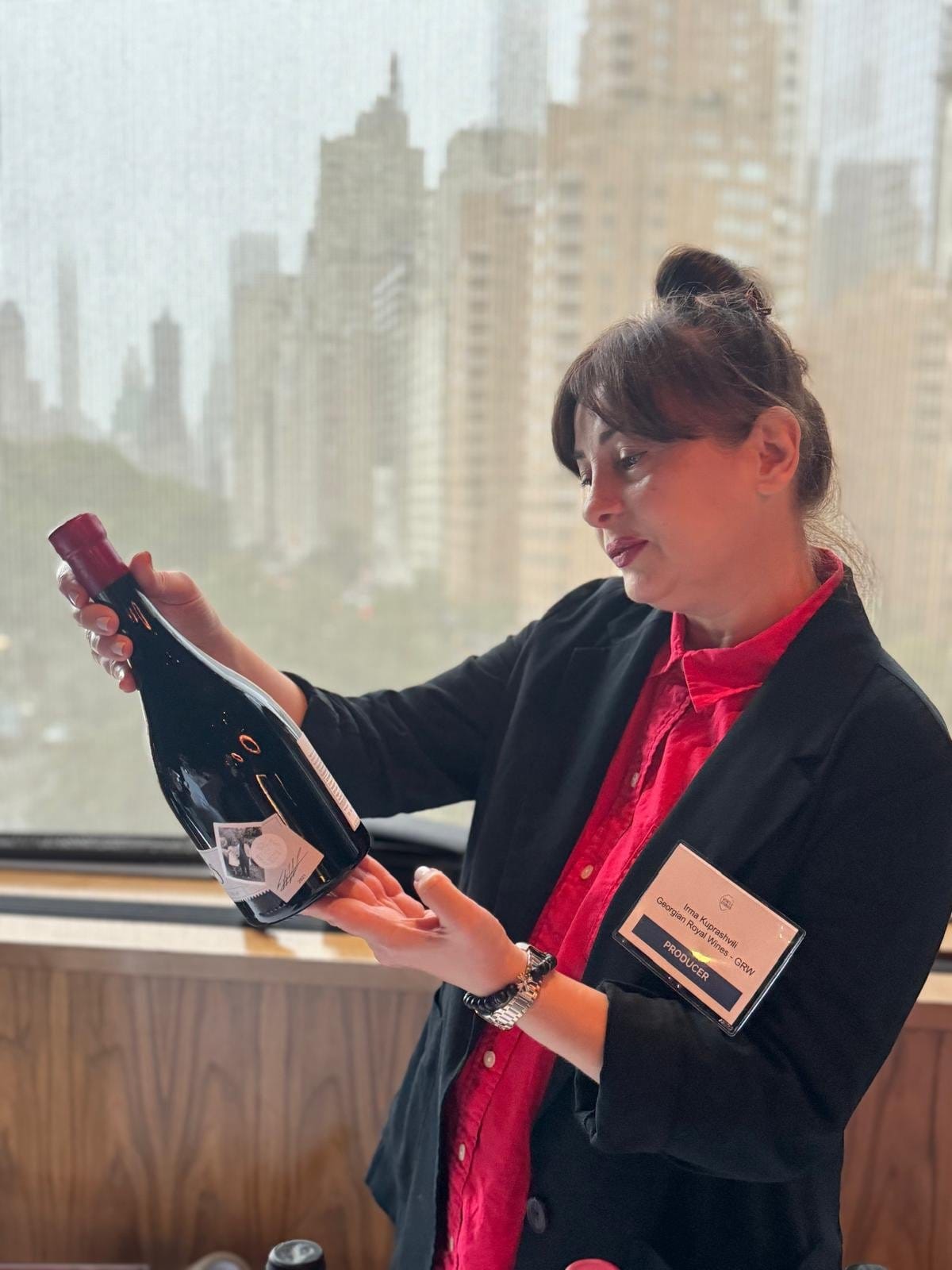
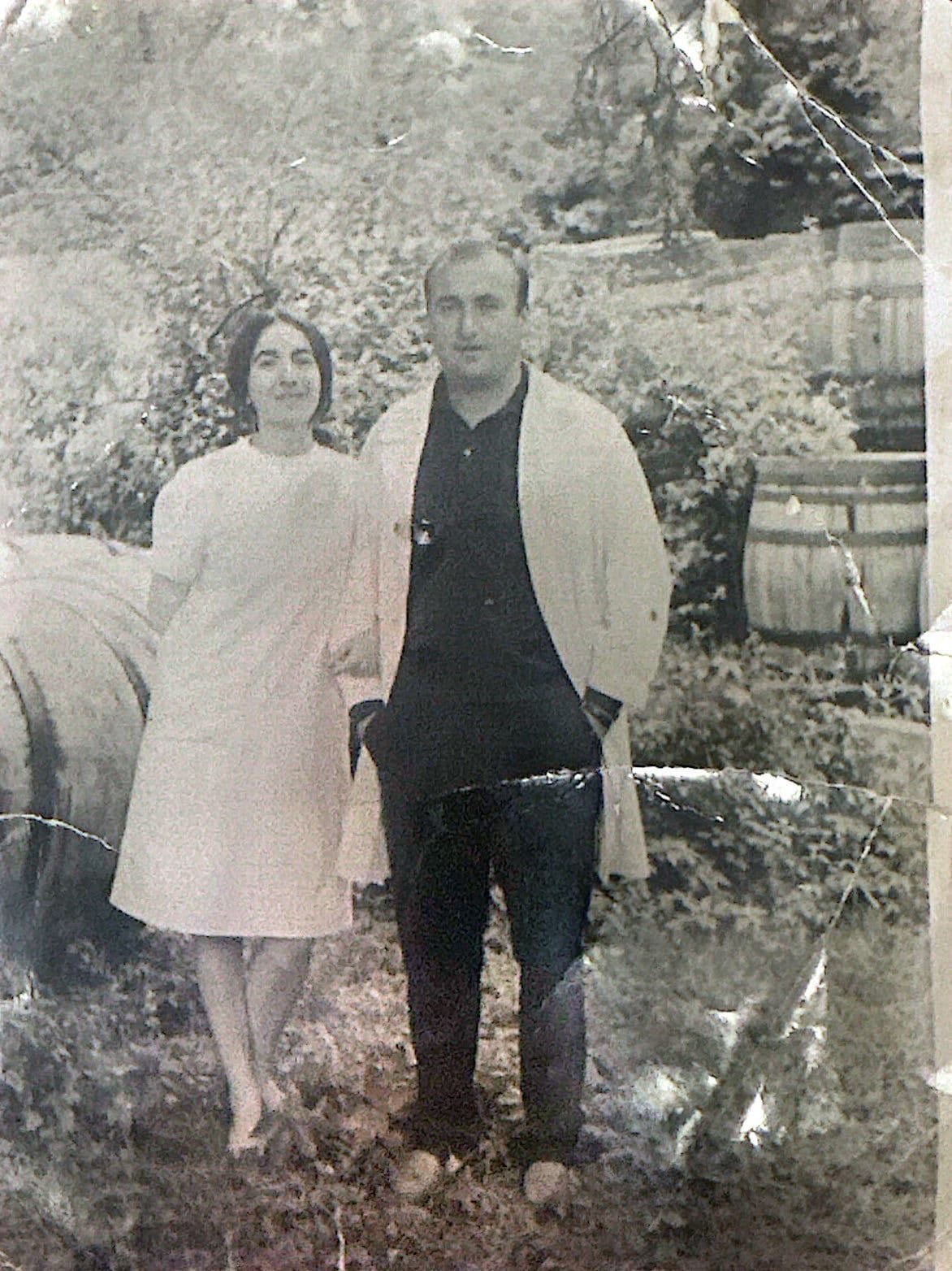
Clockwise from upper left: Ineza Karalashvili, Irma’s khinkali (a Georgian dumpling with meat and broth inside), Irma pouring wine at the Wines of Georgia trade tasting in New York City, Tamaz Karalashvili, A young Inez and Tamaz
Learn more about the family's wines at their website: https://grw-wine.com/en/
Follow Georgian Royal Wine on Instagram: https://www.instagram.com/georgian.royal.wine/
Auto-generated transcript. (Kindly excuse immaterial errors.)
View Transcript
[0:00] The Karalashvili winemaking family
IRMA: It's so close to my heart, and touching every bottle of wine. I know that my mom's, my uncle's positive vibes are there. And this is very close and precious to me. And I know that when I say a real wine, I mean it.
RT: Welcome to Modo di Bere, the podcast about local drinks and local sayings. I'm your host, Rose Thomas Bannister.
[0:40] Sponsor: Culture Without Borders
I've popped out to my Brooklyn fire escape to announce this month's sponsor, Culture Without Borders, Language Collective. You might remember hearing from CWB co-founder, Lindsay Szper, who did a two-part episode in season one. If you've been meaning to improve your Spanish, CWB has a free opportunity for you and I'll tell you more about it later in the episode.
Today I'm extremely pleased to be talking about wines from the country of Georgia with the family behind the company Georgian Royal Wine. So I have here with me in New York, Irma, and her mother and uncle, Ineza and Tamaz, are joining us remotely from the Kakheti (კახეთი) region of Georgia. So each of these family members will be answering different questions and Irma will be translating for Ineza and Tamaz. Before we begin, I want to let all of our listeners know that this is a listener-supported podcast so please go to patreon.com/mododibere and sign up to become a supporter now so that we can keep doing these cool shows.
[NOTE: We are no longer using Patreon! Become a member right here to support Modo di Bere & unlock exclusive content.]
Welcome!
IRMA: Thank you! Thank you for hosting us. It's a pleasure and honor to be here, kind of ambassador between the Georgian Royal Wine and my family here in New York — it's going to be great.
[2:08] Ineza, Tamaz & Irma's roles
RT: Let's have each of you introduce yourselves and explain your role in the winery.
IRMA [translating for Ineza]: My name is Ineza Karalashvili. I am 84 and working for the wine for more than 60 years now. And at GRW, I am overseeing the physical and chemical analysis of wine, ensuring its quality and compliance with standards.
RT: Great. Thank you, Ineza. Now let's hear from Tamaz.
IRMA [translating for Tamaz]: My name is Tamaz Karalashvili. I work in the winery since 1966, as a winemaker and technologist, and he has a title of the first great technician. So he's doing everything, like, from the very first step of harvesting and producing wine, making sure that it has compliance with the requirements, and control, and taste, and aroma, and everything.
RT: And Irma, what's your role in the winery, as you're living here in the United States?
IRMA: So actually, I don't do wine. I am just trying and making sure that it's popularized and that people in the U.S. chase a real wine, because it's not just a wine. It's so close to my heart and touching every bottle of wine. I know that my mom's, my uncle's positive vibes are there and this is very close and precious to me. And I know that when I say a real wine, I mean it. So I just want American people to drink a real wine, not just wine.
[5:13] What makes Georgian wine special?
RT: What makes Georgian wine so special?
IRMA: First of all, the quality and its chemical and physical descriptions that makes it different from the other wines. Georgian wines can easily compete with French and Italian wines. The difference is only in the price. Unfortunately, Georgian wines are cheaper than Italian and French wines, but the quality is never less than Italian and French wines. And can I mention technology? What makes Georgian wines different from the other country wines is that Georgian wines are fermented and kept in a huge vessel, which is called qvevri (ქვევრი) in Georgian, and this ქვევრი is buried in the ground, and it gives a special distinct taste to the wine, and makes it different, absolutely different, from the other countries' wines.
[5:45] Why is the company called Royal?
RT: Why is the company called Royal? What does it mean?
[TAMAZ, speaking Georgian]
IRMA: The name Karalashvili belonged to a high rank, and the ancestors also belonged to this higher rank, and these wines deserve to be called Georgian royal wines. And our family had their own heraldic symbol, which is located on the bottle as well, and as I remember, in my childhood we had a huge picture on the wall of this heraldic symbol of our family.
[6:32] Ineza's 60 years in wine
RT: Ineza, how did you get started making wine 60 years ago?
IRMA [translating for Ineza]: Yeah, as soon as I graduated from the institute, at the age of 24, 25-ish, Ineza started working in the winery as a chemist, wine chemist, and was responsible for wine quality. Since then she never left this profession, and together with her brother they are working together for more than about 65 years now — yeah, they're making wine together.
[7:39] The Wines of the Kakheti Region
RT: Okay, so the next question is for Tamaz. I would love to know more about the Kakheti region where your winery is located.
IRMA [translating for Tamaz]: Kakheti (კახეთი) region is the eastern part of Georgia, well known as a winemaker region of Georgia, and the winery is located on the left bank of the river Duruji (დურუჯი). So this is a great location for grapes to grow, and Kvareli (ყვარელი) has some varieties that are growing in that region, and the only place that can call wine Kindzmarauli (ქინძმარაული) is Kvareli, because Kindzmarauli is the microzone. It's not the name of the grapes, it's the name of the microzone. And this microzone is well-known for its micro elements, which is unique. And Saperavi (საფერავი) grown in this microzone territory is very tasty, it's full of high sugar. And wine made by Saperavi is unique from Georgia. And apart from Saperavi, we grow Rkatsiteli (რქაწითელი), Tsinandali (წინანდალი), and so many other varieties.
[8:33] A family business, generations deep
RT: Okay, so I understand that your company has grown, and now you're a pretty big company there in Kakheti, which is wonderful. Congratulations. I understand that winemaking is a part of life for many Georgian families, even on a tiny scale. I recorded another interview with a Georgian scholar who told me a story about someone digging a hole in his small garage to bury a qvevri. So maybe, would you please tell me some of the ways that your family members in the past have engaged in winemaking and the wine trade over the generations?
IRMA: So actually my ancestors, my mother's and father's side, both started many, many years ago making wine and selling wine, and they belonged to the higher rank — it was called merchant of the first guild. So a merchant of the first guild was a title in the Russian Empire granted to prominent and wealthy business people who made specific qualifications. This rank came with special privileges and responsibilities. They were responsible for the quality, and the privilege was exemption from military service for all large businesses, but at the same time they paid the higher taxes and they maintained the quality of the wine in the country. So my great ancestors, Tamaz and Ineza's grandparents, belonged to this first guild merchants. After them, Tamaz and Ineza's parents had a home cellar in their home, like for their home usage, and were trying different methods and technologies, which is Kakhetian-style technology, and European, and later on Tamaz's son Rezo — my cousin Rezo Karalashvili — created and established this huge company, and more family members joined the company. Kate Karalashvili, who is the company, and Rezo is selling and advertising, and Ineza is responsible for the control, and Tamaz is the main person, the winemaker. So every single person is involved in this family business, and that's lovely — that's so lovely.
(gentle music)
[11:19] Sponsor: Culture Without Borders
Spanish learners needed. Culture Without Borders Language Collective believes the best way to learn language is through friendship. If you've been wishing you had real people to practice your Spanish with, CWB is looking for more English-speaking Spanish learners to join their monthly language exchange. These online meetups are completely free for participants. Visit cwbcollective.com and subscribe to their newsletter to get the dates for next month's exchange. That's cwbcollective.com. I'll put the link on the screen or in the notes.
[12:04] Ineza the scientist
RT: Ineza, I hear that you have worked as a chemist and now you're working in the science of the winery. I want to learn more about you and your life as a scientist.
IRMA: For many years, since the first day when she joined the winery, she has had a special dedication and education, and takes care of it as her own child. So she got requalified five times, and she has trained tons of generations of students. And, yeah, winemaking, and as a part of the wine, she made a unique Georgian brandy. It's called Koniaki (კონიაკი). Koniaki. Yeah, Koniaki. Koniaki. Yeah, it's brandy, Georgian brandy, it's very like a velvet flavor and very popular in our city of Kvareli, and not only Kvareli. And apart from this, she's crazy about flowers, plants — she has tons of plants and I have no idea when she finds time to take care of her plants. And she's cooking, she reads a lot, she cooks amazing cakes, and I remember in my childhood when somebody said, "Oh, you are Ineza's daughter, you must be a master in cooking," because Ineza was a well-known cook. And again, she is gardening — in every season she has each type of greens, grown in Rezo's garden, yeah. And again, she's at the top of every news in show business, she knows everything. So again, I am asking, when do you sleep, Mommy? Because she's working 8 to 10 hours a day, she reads, she's still cooking. And I have to add —
[14:15] An inseparable sibling bond
I bet that I've never, ever seen and heard any relationship between siblings like they have. She, at age 84, she still is asking, "Did you get breakfast? Did you get lunch?" She's bringing lunch for her brother, and cooks for him, and asking, "Do you feel good?" So they are coming through all their life together. This is so special and so cute, them taking care of each other.
RT: Oh, that's beautiful, yeah!
IRMA: Feeling each other professionally and teaching each other, because anytime when it comes to my mom's work, Tamaz knows, and vice versa. So, yeah, they are trying to support each other, to help each other professionally or as, professionally or as siblings. And they respect and value and appreciate each other's experience. They're just trying to support each other as much as they can, and they are feeling each other's experience.
[16:08] Supra: Georgian Toasting Ritual
RT: I love to learn about ways of giving toasts and saying cheers from around the world. And I have heard that Georgia has an elaborate toasting ritual. So I'd love to know more about that.
[TAMAZ, speaking Georgian]
IRMA [translating for Tamaz]: So, Tamada (თამადა), who is a leader of the Supra (სუფრა) — like, feast — is a special person. Doesn't matter whether it is a small or big event, every Supra has its Tamada, like its leader, toastmaker, and its kind of organizer, and there is a special person who must be chosen as the Tamada. Not everyone can serve as Tamada, because the Tamada must have qualities like — they must be very smart, must speak well, have a sense of humor, some organizational skills, and they have to orchestrate the table. As for the toasts, Georgians say Gaumarjos (გაუმარჯოს), which means — let's say, if we want to say to Rose Thomas, we should say "Gaumarjos, Rose Thomas" — Gagimarjos (გაგიმარჯოს), like it's a toast to you. So there is a special order of saying toasts in Georgia, starting from the toast to God, thanking for this day that we are together, healthy. Then one of the first toasts in Georgia is for peace, which is very important for Georgian people — after so many wars during the centuries, peace has very specific reasons and importance. And then they go to toast to parents, children, siblings, young generation, people who passed away, and friends, and so on. For Georgians, drinking wine is not the method of getting drunk. For Georgians, it's a process of getting pleasure and communication, relationships, and singing is also an inseparable part of Georgian Supra, because we are well known for our folklore and polyphonic songs. So when it comes to Supra, everybody knows that the Tamada is actually leading — the Tamada is giving you permission and giving guidelines when to sing, when to say something.
[19:21] Making kosher wine in Kakheti
RT: I want to go to one though, that sounds wonderful. You should definitely do it. Tamaz and Ineza, I read that you are also making kosher wines there in the Kakheti. I would love to hear that story.
IRMA: So Georgian people and Jewish people have a tradition of friendship for many, many years and centuries, and that makes us — when Jewish partners offered to make kosher wines in our vineyard, we were more than happy to do so. And the technological part is done by Jewish people, and we're producing, like, dry wines and different varieties of wines which are done actually again by the Jewish workforce.
RT: That's so interesting. Thank you so much, Tamaz and Ines, for coming on the show. I'm really happy to meet you. It's really a pleasure. I hope to come one day and visit your winery. I just want to know if there's anything else that you would like people to know about your wines and your family.
IRMA: Thank you so much for your time, for having us here, and for your smile and such a cordial meeting. Yeah, wine is so important for Georgia, and that's why our ancestors' sayings said that wine for a newborn baby [is like] mother's milk, and for elderly, wine is like mother's milk — as beneficial as mother's milk.
RT: I love that, I love that. Is that a saying?
IRMA: Yeah, that's a saying, and now — we have plenty of sayings, and as Georgia is a winemaker country, we have a lot of sayings, if you want.
RT: Yeah, oh yeah, we have some more.
[21:15] Georgian Drinking Sayings + Proverbs
IRMA: Yeah, so — wine makes a foolish man talk, and silences a wise man.
RT: That's beautiful. Yeah. Could you pronounce it in Georgian?
IRMA: Yeah. So: Ghvino munj katss alaparakebs, da brdzens daamunjebs (ღვინო მუნჯ კაცს ალაპარაკებს და ბრძენს დაამუნჯებს).
Another saying is in Georgian: Mtvrali kaci — kargi kaci (მთვრალი კაცი — კარგი კაცი).
RT: I love that. That's beautiful.
IRMA: Yeah. And another one is: Ghvinoshi upro meti damkhrchvala, vidre tskalshi (ღვინოში უფრო მეტი დამხრჩვალა, ვიდრე წყალში) — more people drown in wine than in the water.
RT: Oh, thank you so much. It was wonderful to meet you too. Thank you so much for coming on the podcast. And thank you for all your support and all your work, and for everything the whole family does to make these beautiful wines. It's wonderful to have you. Thank you, Irma, for being their daughter and niece [and helping bridge this conversation for us].
IRMA: It's a real honor for me to be a part of the family.
IRMA: Thank you so much for having us today, and we indeed look forward to having you in Georgia, at our winery, to let you taste our wines and host you with our family. Thank you again. It was an incredible experience for us. And again, wine means so much for Georgian people — yeah, it's our lives, full of wine, and it's not just the wine. It's a passion, a dedication to every drop of wine. See you in Georgia!
[23:06] Outro
RT: Support us on Patreon. Grab the newsletter at mododibere.com and subscribe to the YouTube channel @mododibere to watch the travel show Modo di Bere TV. Music for the show was composed by Ersilia Prosperi for the band Ou. Purchase their music at the link in the notes.
[NOTE: We are no longer using Patreon! Become a member right here to support Modo di Bere & unlock exclusive content.]
SPANISH LEARNERS NEEDED! This episode is brought to you by Culture Without Borders Language Collective, our exclusive sponsor for the month of October 2025. If you've been wishing for real people to practice your Spanish with, CWB is looking for more English-speaking Spanish learners to join their monthly language exchange.These online meetups are completely FREE for participants.
Visit cwbcollective.com and subscribe to their newsletter to get the dates for the next meetup.
Music composed by Ersilia Prosperi for the band Ou: www.oumusic.bandcamp.com
Buy their newest album: folderolrecords.bandcamp.com
Produced and recorded by Rose Thomas Bannister
Audio and video edited by Giulia Àlvarez-Katz
Audio assistance by Steve Silverstein


