

Monai McCullough shares the journey that brought her to Nigeria, where she recovers the original names of indigenous trees.
Sense of Place highlights the eight regions featured in the forthcoming travel show Modo di Bere TV. Click here to support the crowdfund to finish and release the show.
You can vote for the North Adriatic region to become Season One of the show until 11:59 am New York time on Saturday, November 10.
While learning Yoruba in Badagry, meeting people with rich stories and straightforward lives, I ask myself again and again, "What is in a name?"
When my American accent trips people up here, they shorten their names for me. I decline the easy version, and ask again.
What is in a name?
Ancestors you never met. A tribe, a village working for your future. A spirit waiting to be noticed, and seen.
In Nigeria, I call the tree’s names, through understanding their ecology and spirituality.
What happens when you hear your name in life, or in death?
What happens when you hear your name in love?
Plants Became My Sense of Place
Africa is my third continent, and still I get the same question: What brings you here?
A strong ancestral pull. Yet I never saw my life here — not even back in Amsterdam.
My first solo trip, I backpacked through Cuba, St. Lucia, and my homeland of Martinique. The Caribbean was my first place of refuge, and each trip led me back toward West Africa — the Afro-Latina Spanish of Matanzas, the dark skin, the heritage of the islands. Diaspora was a language I longed for before I knew its taste.
Amsterdam came next. I built a business, a community, fell hopelessly in love. It offered stability, but after several years I longed for something different.
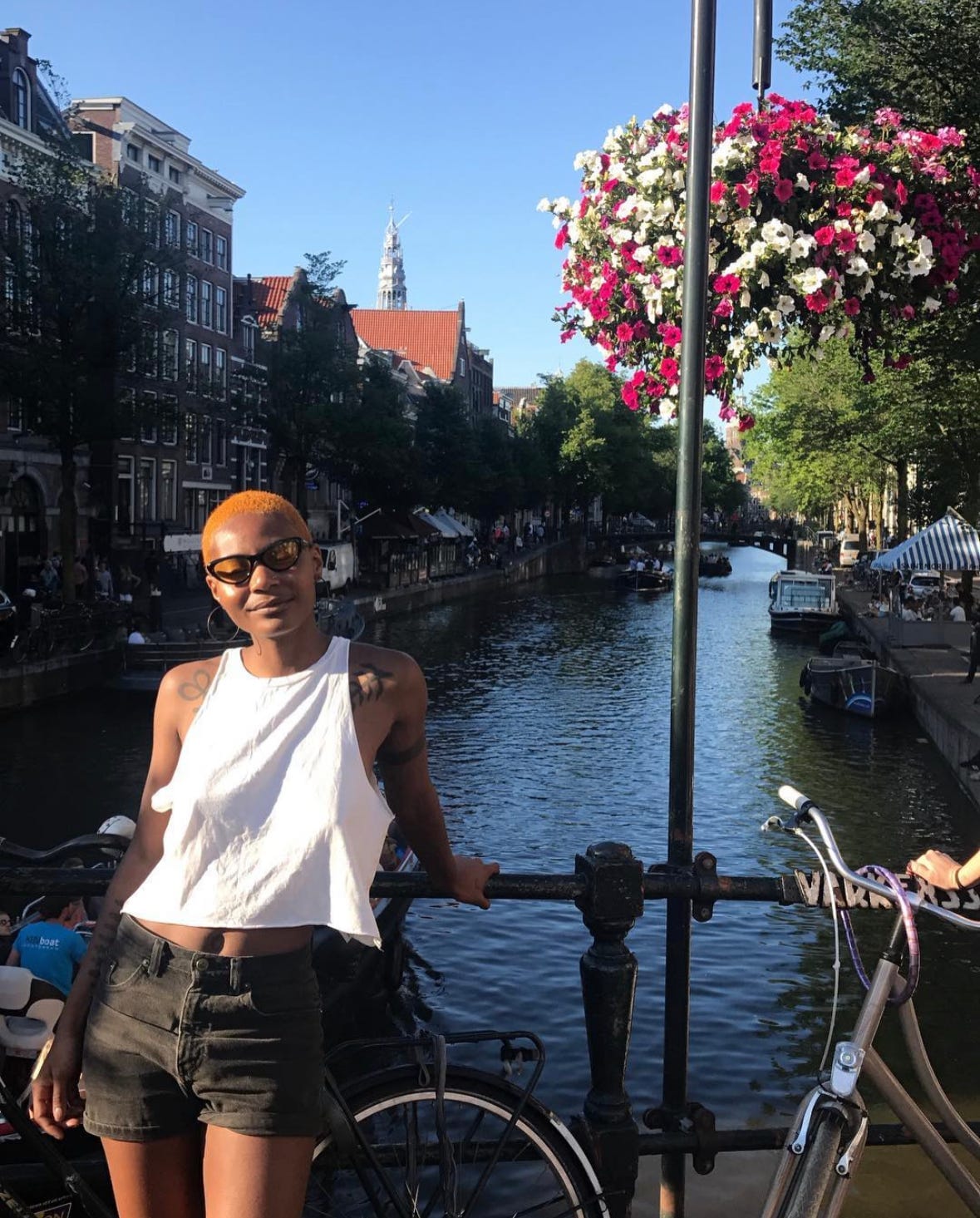
My first trip to Nigeria, with my love, was a rebirth. I saw my humanity in all its flaws the same way I had growing up in South Jamaica, Queens — the concrete, the hawkers, the noise. Queens was an identity beyond the color of my skin, but there was something painful and special about being asked, "Are you Nigerian?"
"Yes," I'd answer, technically. “A long time ago.” (Pause.) “I'm from NYC.”
Does a rose grow from concrete or is it nut grass?
My first introduction to plants was my grandmother: always something growing at "nana's house." My second was my first apartment in NYC, one houseplant becoming many. I moved to Brooklyn and volunteered at a vertical farming lab, thinking: if I could learn, I could grow food for everyone.
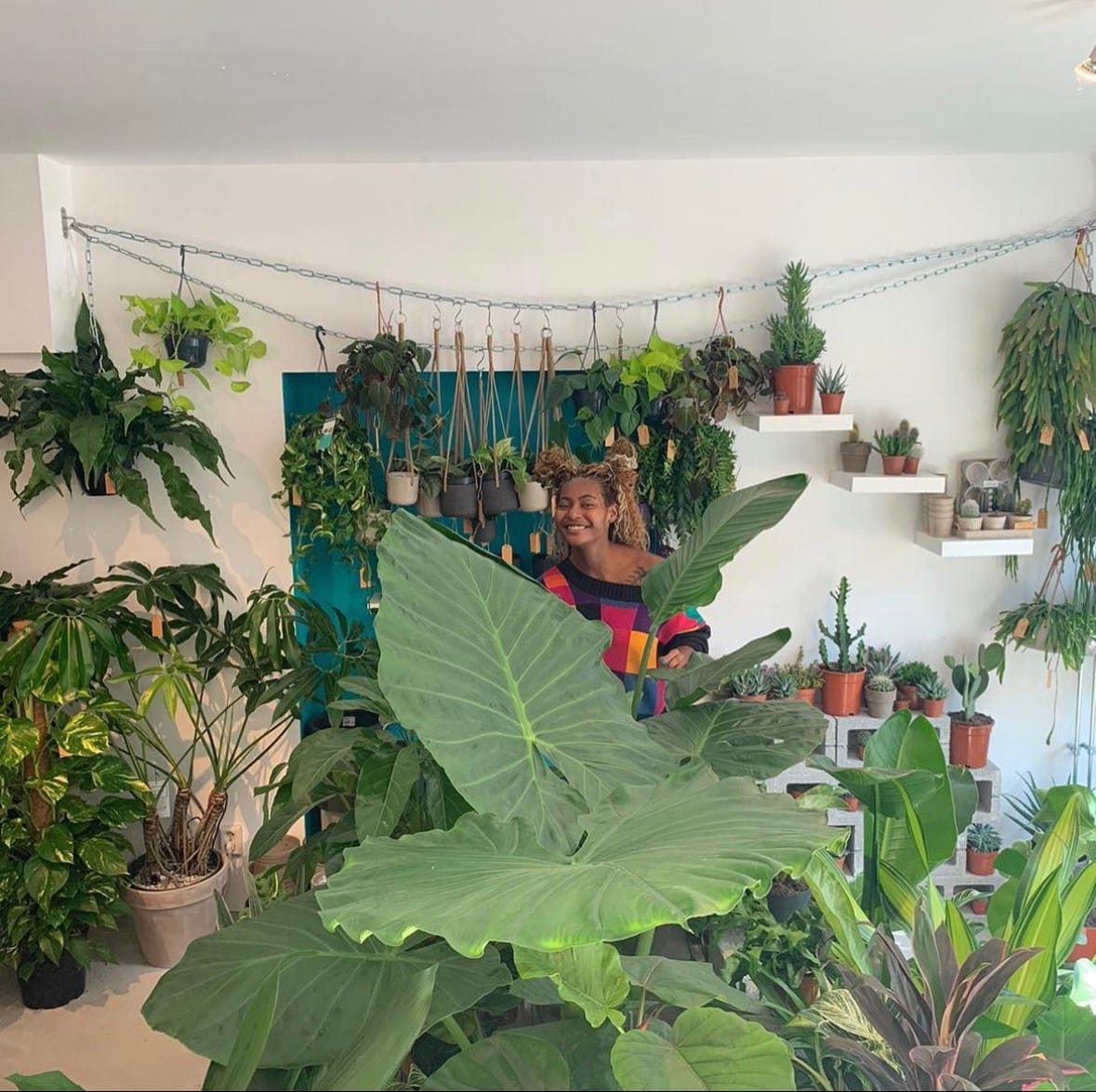
Plants became my sense of place. In Nigeria and Benin State, I research trees and agroforestry — the magic of trees, the shade, the structure, and most importantly the roots.
My roots are in Nigeria, too, entwined in the past that was taken from me before I was even a thought.
My return isn’t a gift, but it is a love letter: to people, heritage, language, and futures.
When I first arrived in Nigeria, I was fascinated by how people carry their history and culture in a name or a facial feature.
My own recognition had been more immediate: centered around which parent I looked like most.
My name is Monai McCullough, I was born to Mark and Patric.
Trees of Nigeria
I ask of the trees, "Who are they?" Not in the Latin renaming that made them inaccessible to their own people, but through sound.
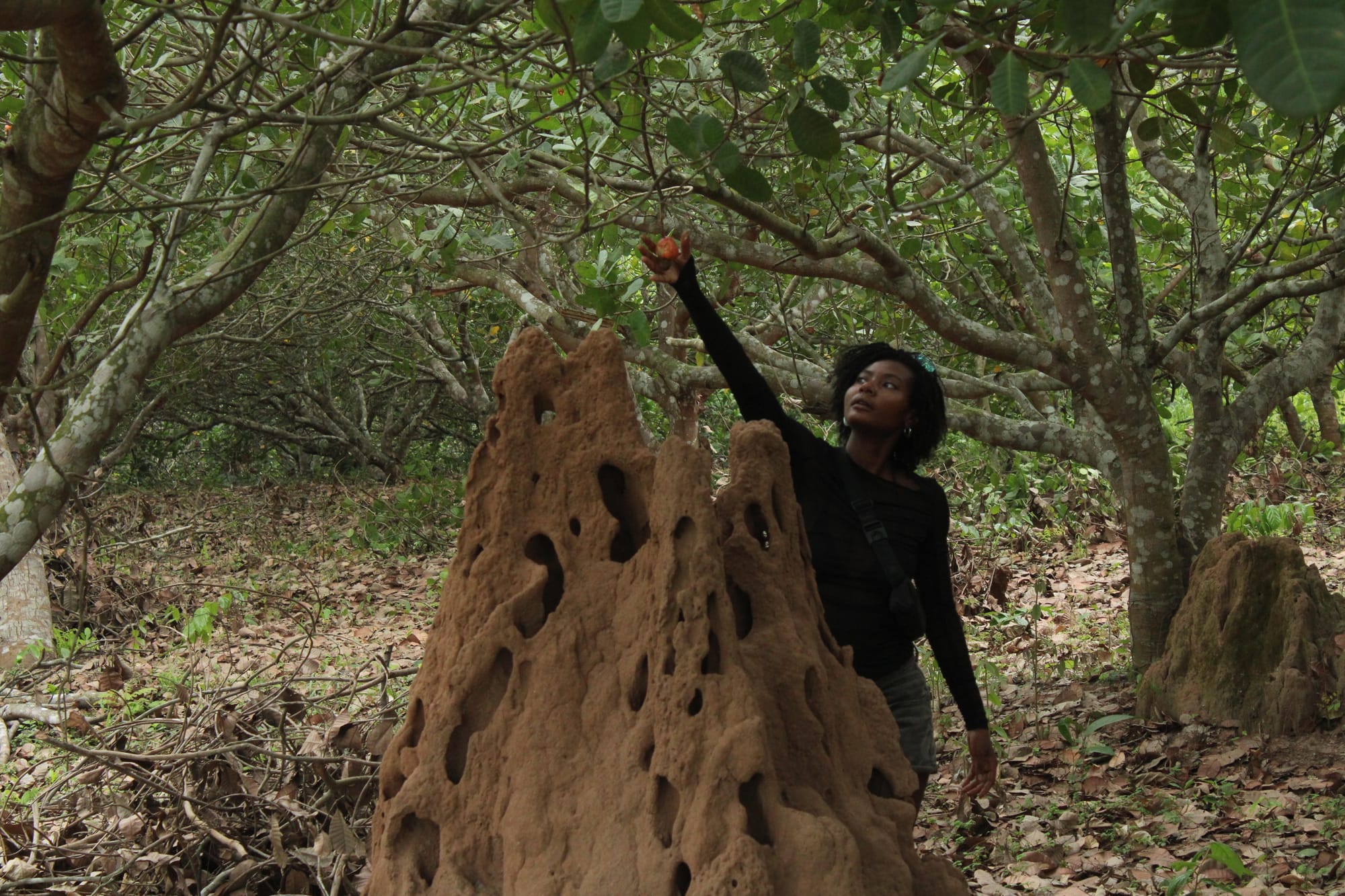
Yoruba, a tonal language, reflects how people, plants, and animals are called: what you hear when you listen to their spirit's sound.
Trees carry different uses across regions and tribes. Their preservation has kept their people healthy, cured, and tuned into the earth.
To return land to people, they must first remember the land that was taken.
I speak with elders and herbalists, needing to translate the medicine at the market, what it is — or rather, to listen deeply, because translation often falls short.
Orógbó
Ogun State, 2026.
Field notes:
The sun climbed steadily overhead, the trail grew steeper, and for ten minutes we pushed through cassava towering more than eight feet above us. Then, through the vegetation, the Orógbó tree appeared.
We first saw it from a distance, but up close only its immense trunk could be taken in. I paused and asked the tree for permission before collecting a small peel of its bark.
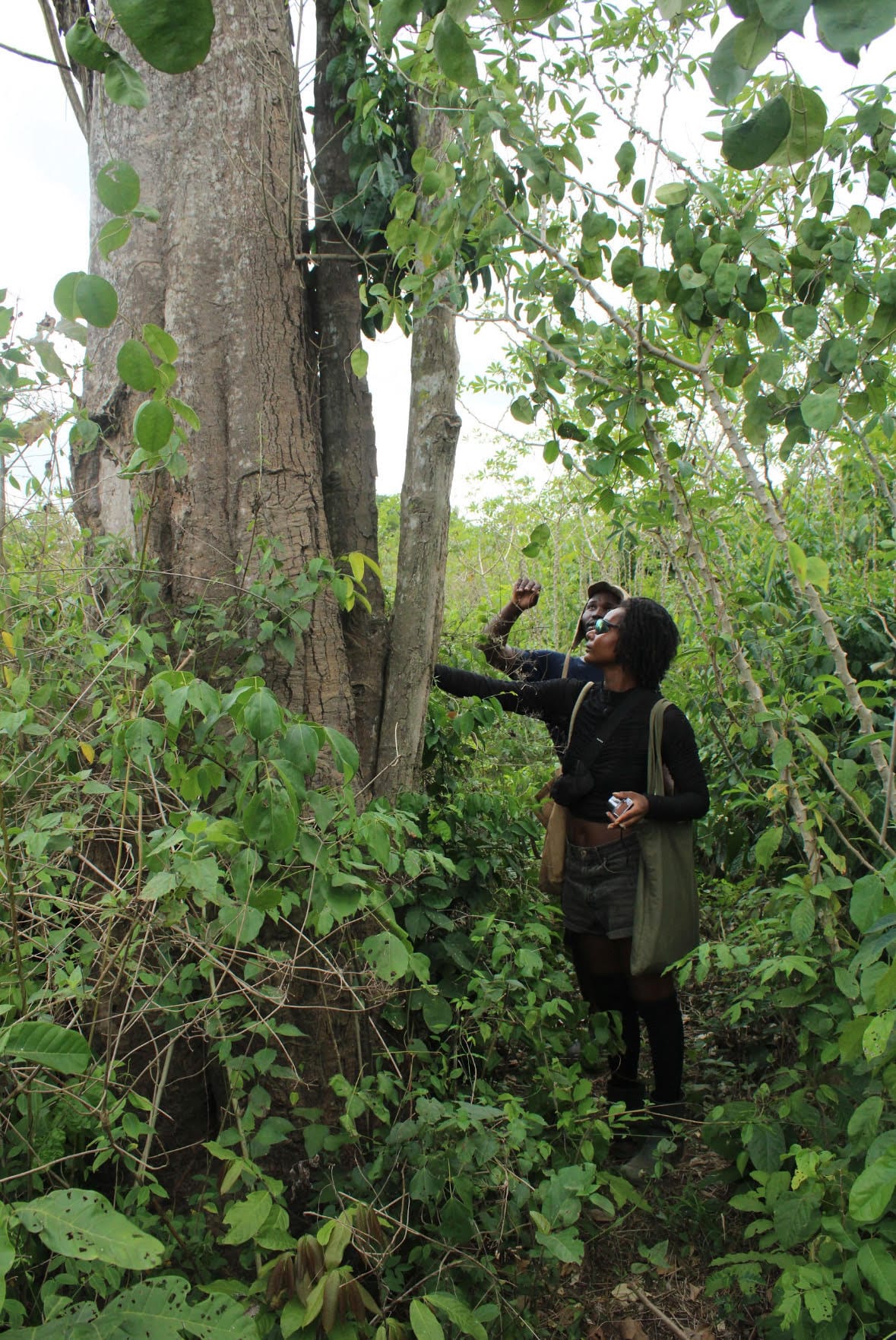
Not to be confused with Obi Abata, the Orógbó or bitter kola orógbó is associated with blessings, longevity, hospitality, and Òrìṣà traditions, connected specifically with Ṣàngó.
Orógbó: its name is remembered in the story of Moremi Ajasoro, the heroine of Ile-Ife who sacrificed her only son, Olúorógbó (Lord of the Bitter Kola) after saving her people from invading “forest people” forces.
Whether or not the boy’s name directly references the tree, the association is difficult to ignore. Like Moremi, orógbó is a symbol of life, endurance, prayer, and continuity, making it a namesake for a child whose sacrifice became one of the most enduring stories in Yoruba history.
A Certified Tree Worshipper
Mr. Lateef is a certified babalawo and 5th Generation herbalist, a tree worshipper, and the foundation of our Ogun State fieldwork.
I asked around the farmhouse grounds for someone who can “show me the trees.”
“Like celestial trees?”
“Yes, I guess.”
48 hours later, I met Mr. Lateef in his home: in his shrine. He spoke no English, and me no Yoruba. After a short negotiation, I handed him a list of 21 trees I was looking to document and learn about. Two days later, we set off on a trek that changed my life.
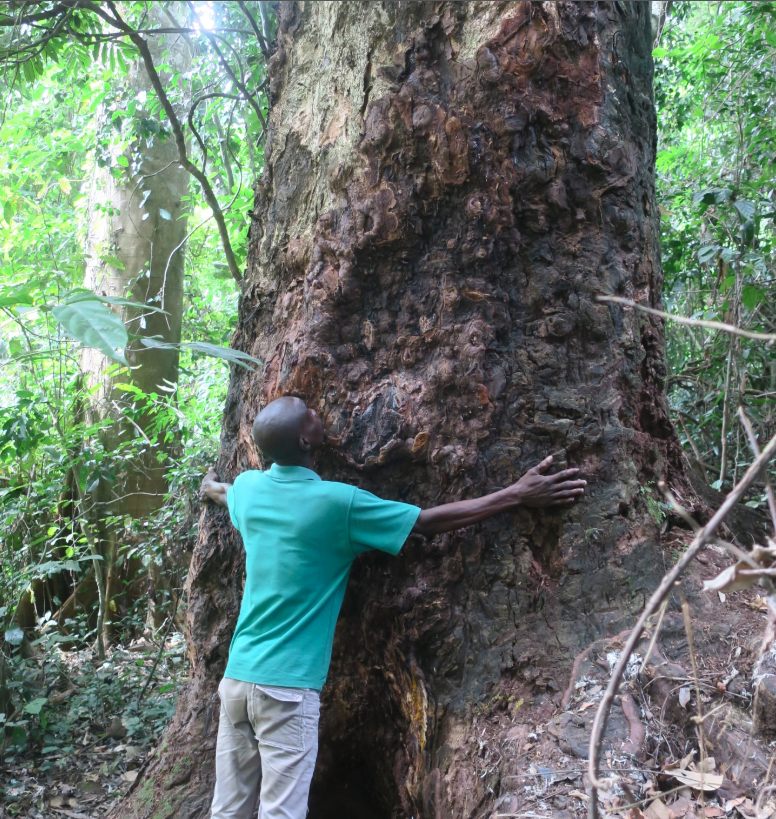
We documented over 67 trees spirits. After 4 hours of hiking, I jumped on the back of his okada, passing standing shadows of mud houses. We went to see an old friend of his: Asofeyeje, known for its neuropsychiatric powers.
We laughed, sat, drank ògógóró, smoked, and enjoyed each other's company for hours. I was later invited to his Oracle ceremony, sat with his kin, and documented how plant spirits are used to talk to the gods.
As much as people use and document Mr Lateef's work for research, no one else has asked him to do what we did together, to walk the way his father did with him, the way his grandfather did with his father.
It was Mr. Lateef's joy and excitement as we entered his world in the mountains, visited his shrines — even his father’s burial site — that will stay with me forever.
Lagos, I Love You
I risked it all. 14 years and a day.
Nigeria punishes queer love harshly. Same-sex unions, public displays of affection, and aiding LGBTQ+ relationships can carry decades in prison or even violent death. These laws, rooted in colonial morality and reinforced post-independence, are part of the social fabric.
British colonial rule criminalized same-sex love, embedded patriarchy, and enforced rigid moral hierarchies. Post-independence governments retained these laws, sometimes intensifying moral policing as authority and control.
I quit my job and followed love to Lagos anyway. They were my whole world, my best friend, someone I wanted to see thrive.
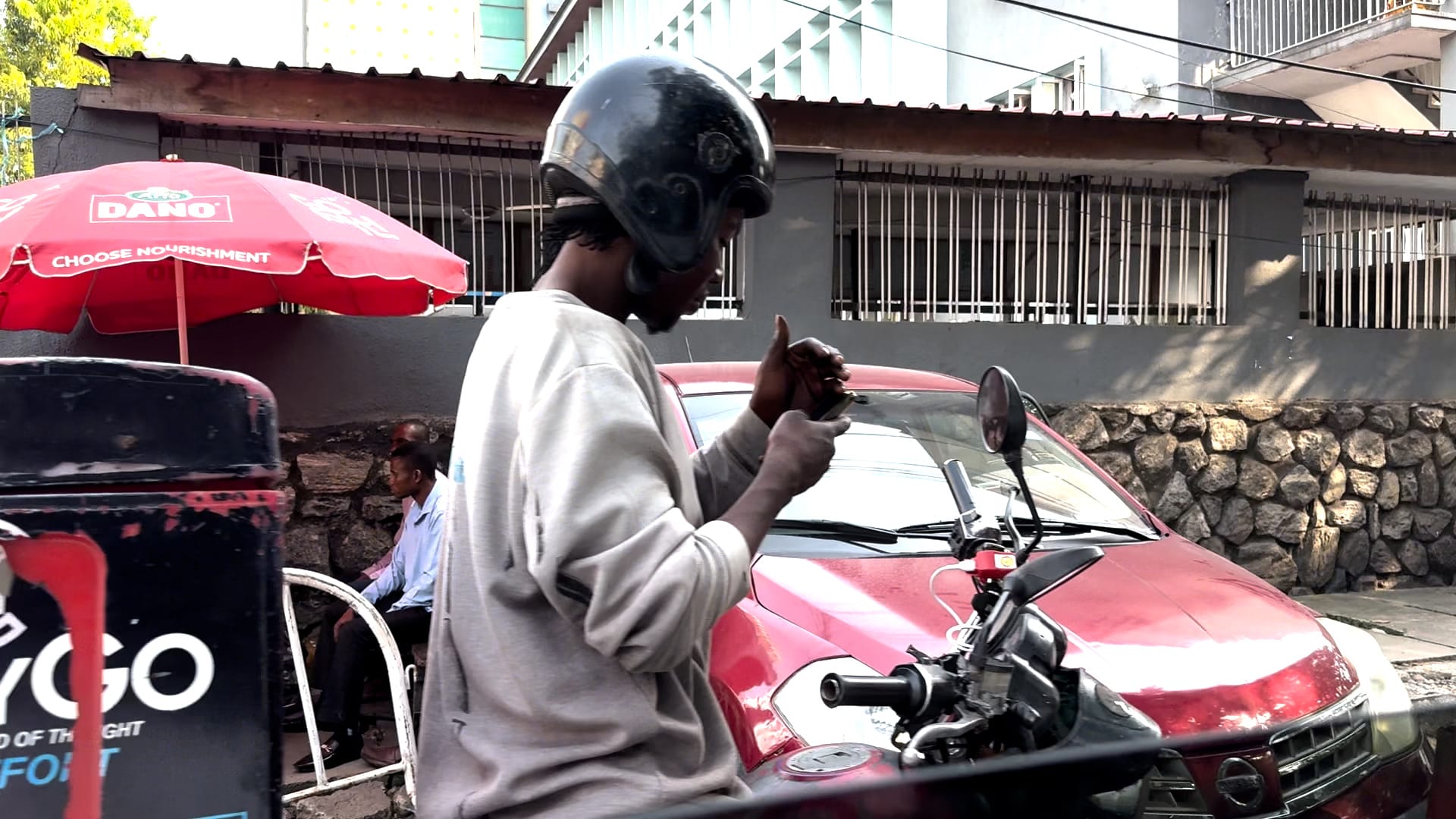
Lagos hit me like lightning—electrifying, chaotic, familiar, and unfamiliar all at once. Although my hands are for the soil, I am a city girl at heart. I thrive in the concrete, in the movement, in the energy. I thought I understood Lagos through books, stories, and whispers. I was wrong.
iPhone footage, Lagos. 2024 (Rose Thomas Bannister)
Living here, loving here — navigating heartbreak here — demanded confrontation. Lagos magnifies dark colonial legacies: wealth, influence, and survival intertwined. Its growth and density create tension. That insecurity — material, social, emotional, and most importantly spiritual — shapes how people love.
Love becomes conditional and empathy weaponized. Lagos does not permit love to exist in a vacuum. Survival, reputation, and proximity to power dictate who is safe, who is allowed, and who is punished.
Chukwuebuka Ibeh's novel Blessing captures this: two young lovers forced into exile by societal and parental control. When my own heartbreak became public — gossip, humiliation, speculation — I felt my back against the wall, and sometimes I still do. In Lagos, a story is like garri in hot water: once set, it's nearly impossible to undo.
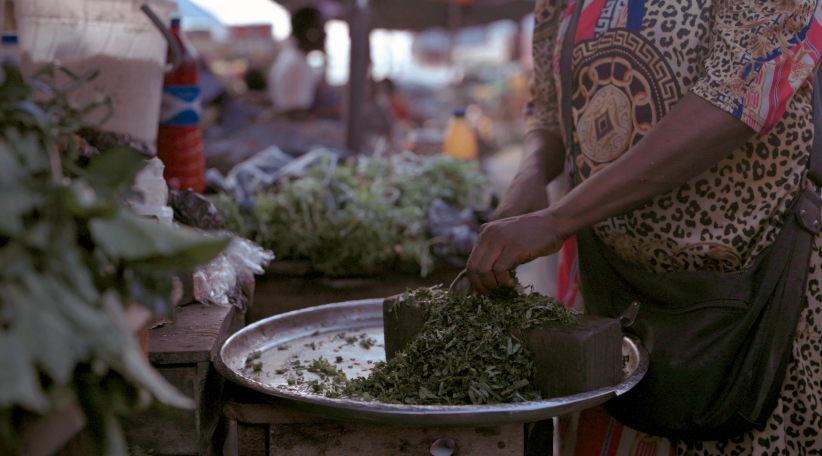
Circles of influence watch, judge, comment. I don't move in circles. I move in love. I endured that scrutiny because I dared to be open and deeply myself — and thought our love could withstand the insecurity that runs through Nigeria's heart. I spent twelve days in exile, until I felt safe enough to show my face again.
You can't control the city, but you can control how you move through it, how you love in it, how you reclaim your joy. Ibeh writes that love requires exile and resilience. Choosing to stay is choosing possibility over fear.
Lagos asks hard questions. Even at the airport, yellow fever card in hand, and protocol with your passport, the city asks: “Why are you here? Who are you really? What did you run from?” There is no running here, only confronting chaos, greed, and sabotage while still choosing love.
I learned that love in Lagos requires courage, and sovereignty. My heartbreak revealed that while I may have known someone in another place, I didn’t know them here. So, at 2 a.m. on a Tuesday morning, I packed up and left, choosing uncertainty over compromise.
In Lagos, Peter Enahoro’s How to Be Nigerian come to life. People queue for hours in traffic, complain, and find joy in small victories: a correctly folded baba ijebu ticket, a perfectly fried akara, or a driver who doesn’t negotiate your soul away.
Love here is just as intricate. It can be performed, tested, and scrutinized, as much as celebrated. Colonial legacies and moral policing distort affection. People who love beyond performance remind you joy is possible.
Whether You Believe in It or Not
My astrocartography places Lagos (and Badagry) on my Saturn line, a line of discipline, visibility, and growth. Here, my work is meant to be seen in a way I did not think possible. My room-filling energy continues to be recognized. My quirks and creativity remain protected, sovereign.
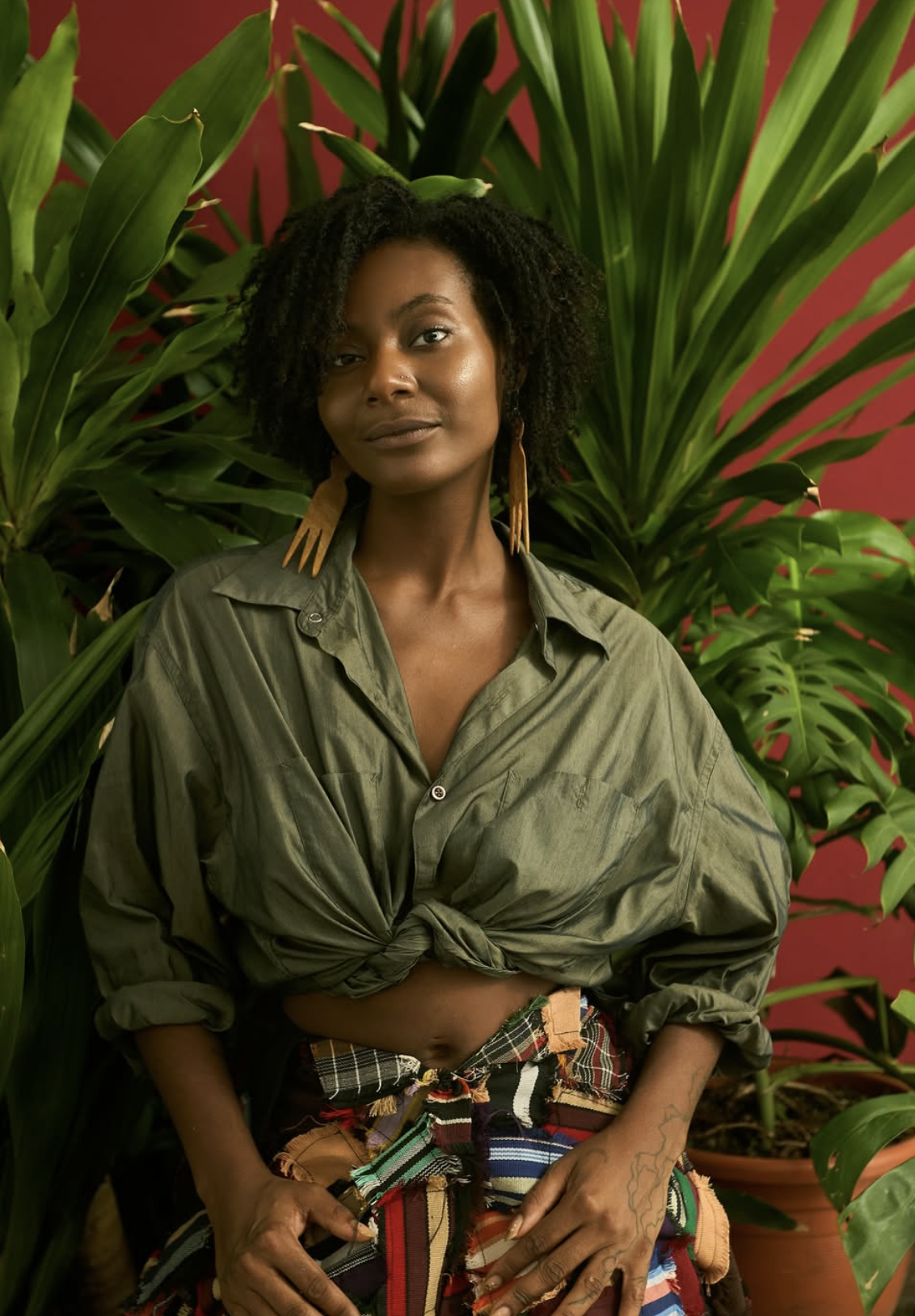
I started a Substack at the beginning of my Saturn return in 2023. I wrote about the ending of my retail business and the loss of my father and what we can learn by celebrating grief like an ocean.
My Saturn return ended on a new moon with a BANG — and I have learned so intimately what I need. I have experienced beautiful relationships in Lagos. I have not met all those who will love me here.
I am safe, my joy is intact, and I move forward with lessons and blessings.
Things end, but that should not stop you from giving your all. Impermanence should motivate you to unshield your heart. Love is human, love is sacred, and I will continue to shape my life around the principle of it. I did not get this far, just to get this far. I am living my dream.
Lagos, I love you. I am home.
Versions of some stories in this essay were previously published at the @treesofnigeria Instagram account on Monai's newsletter, Deeper Roots. Photos courtesy of the author.
Follow Monai's work on Instagram @treesofnigera


