

Wayne Young, an American sommelier and host of La Taverna podcast, shares his love for his adopted homeland of Friuli-Venezia Giulia. This is Modo di Bere Magazine's special series, Sense of Place.
Sense of Place highlights the eight regions featured in the forthcoming travel show Modo di Bere TV. Click here to support the crowdfund to finish and release the show.
You can vote for the North Adriatic region to become Season One of the show until 11:59 am New York time on Saturday, November 10.
MODO DI BERE: What is your personal connection to the Friuli-Venezia Giulia region?
YOUNG: Apart from wine, which sustains my life here in Friuli, my deepest connection is to my wife, who is half-friulian, half-sicilian and grew up here since the age of 6. I met her here, we share our lives here and Udine has always been our home. She's a tireless and strong woman who supports my crazy projects and encourages my love of Friulian wine, food and culture.
MODO DI BERE: Tell me about Friuli-Venezia Giulia like I’ve never heard of it before.
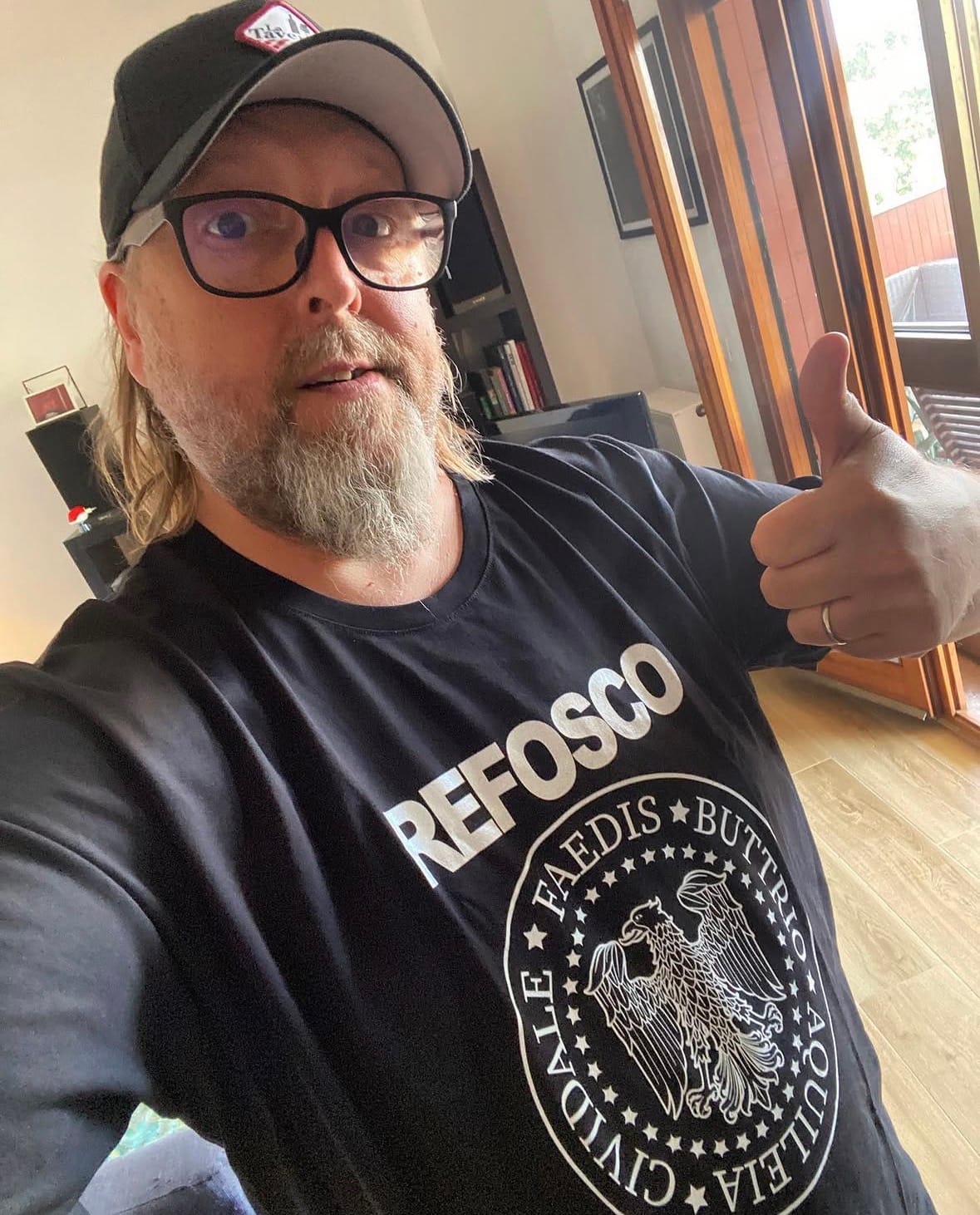
WAYNE: While most of the world and most of the messaging about FVG concentrates on the concept of "The land of great white wines", I'm here to tell you that it's the reds that are really killing it right now. Pinot Noir fan? Schioppettino is your new favorite wine. What? You like them big and bold? Barolo and Brunello you say? Let me hit you with a Refosco or a Pignolo.
Outside the wine world, this summer we spent a lot of afternoons on the pebble beach down in Sistiana, only about a 30 minute drive from Udine. I have to say, you're getting about 75% of Sicily for only 1% of the travel time. The Adriatic in Friuli is grossly underrated.
MODO DI BERE: If you brought me to Friuli to show me around, what would we be looking at? Landscapes, plants, animals, structures, people?
YOUNG: Our tour would start in the center of Udine, where we would see how beautiful this little city is, and explore the incredible amount of great wine bars (and some craft beer joints as well!). You'll be shocked at what you get for your money in the center. The next morning it's all about vineyards, where you'll see that most of Friuli isn't an ocean of monoculture vineyards, but a respectful mix of vines and forest. There will be vistas where we'll see the Adriatic, and then turn 180 degrees to look at the looming Alps, perhaps in a tucked-away vineyard nestled in the trees.
MODO DI BERE: Can you share a memory about seasons or weather in this region?
Friuli is known for its gloomy winter. I've met people who came here looking for the same weather you find on the Amalfi Coast, only to be disappointed by the fact that Friuli is one of, if not the rainiest region in Italy. That said, the summers are warm but not horribly hot (apart from a week or 2 in August) and the humidity is nothing compared to the tropical oppression of New Jersey summers. Winters are mild, and getting milder, and if you need to make a snowball, the Alps are a short drive away.
Vote for North Adriatic (Friuli-Venezia Giulia and Slovenia) in Wine Doc Face Off
MODO DI BERE: In a typical day from your life in Friuli, what are the sounds that you hear?
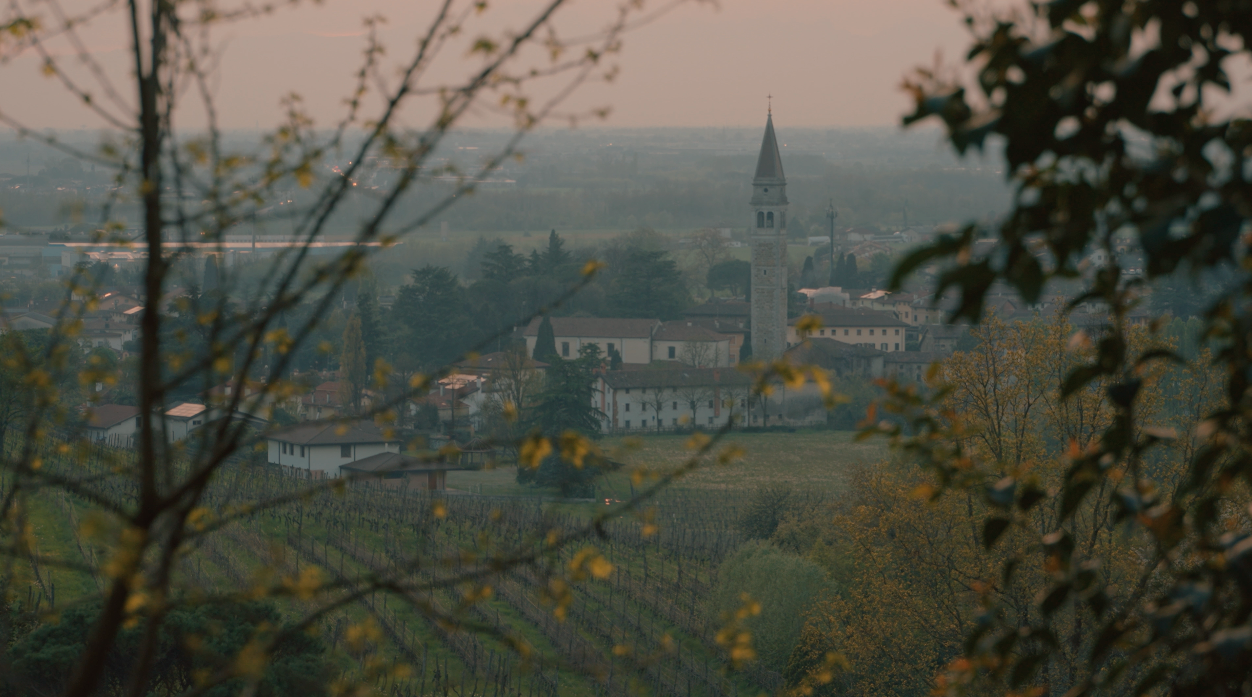
YOUNG: When I think of Friuli sounds I can only think of 2 things: the constant ringing of church bells and the brash but somehow welcoming sound of Friulano as friends laugh and joke together. I was convinced when I moved here that there was a plot to control my mind through sleep deprivation as my bedroom window was directly across from the local bell tower which sounded the time EVERY 15 MINUTES, 24 hours a day!
MODO DI BERE: What are the smells that you smell?
YOUNG: Burning wood, steamy polenta, spicy goulash. In wine I smell the lovely bitter almond of Tocai Friulano and the briary fruit in a Refosco.
MODO DI BERE: If I could hold Friuli-Venezia Giulia in my hands, what would I be reaching out to touch?
YOUNG: A little world of it's own. A tiny planet filled with diverse life, every ecosystem you can name from the mountains to the sea, rich wine and food, and every kind of animal from black bears to tiny shrimp and everything in between. A little universe in your hand.
MODO DI BERE: If I ask you to name the flavors of Friuli, what memories come to mind?
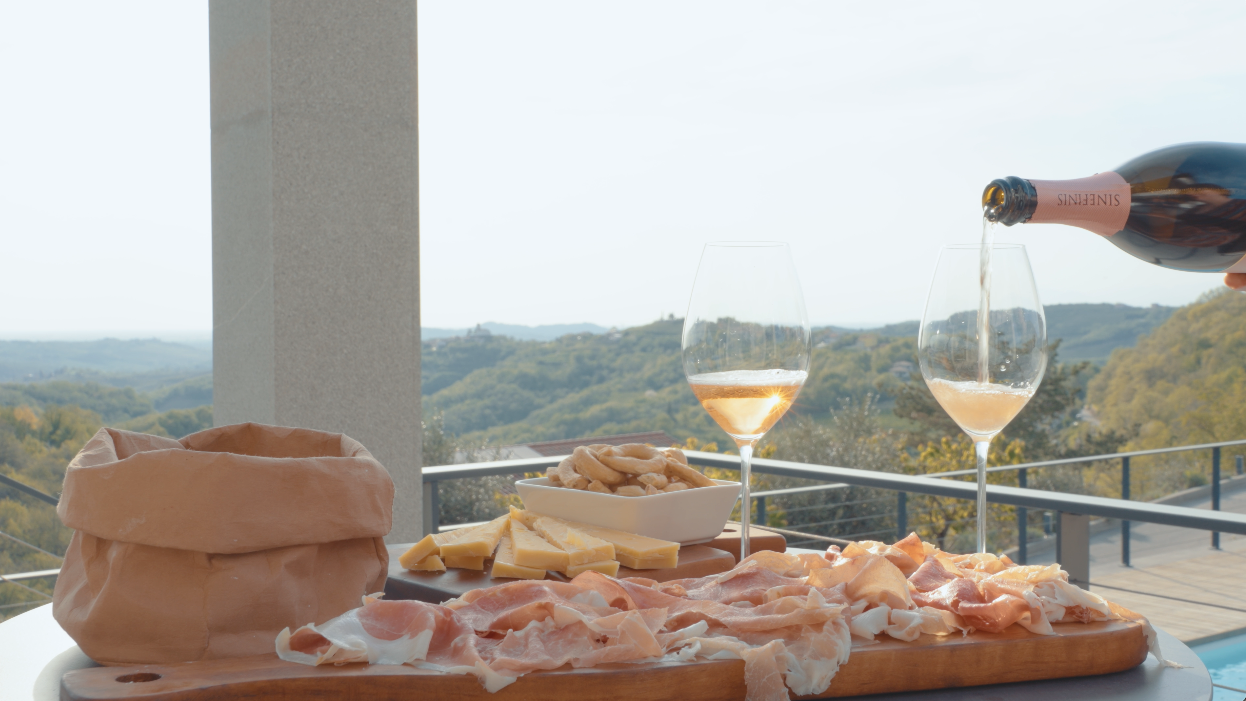
YOUNG: Creamy montasio inside a crispy Frico. The savoriness of a whole-grain polenta. Ripe red fruit and pepper in a Schioppettino. The flowers in a glass of Malvasia.
MODO DI BERE: Let’s also speak about the flavor of the language, the local way of speaking. What does it sound like? Can you teach me a very local saying or phrase?
YOUNG: Friulano is a language of the people. Of farmers and hard workers. Only in my lifetime has Friulano become a subject formally taught in schools here. Before that it was passed on verbally from generation to generation.
Its sound is like a rough mix of Latin, French and German, with lots of sibilant sounds. For example, in many places in Friuli the Friulano word for "fragole" (Strawberry) is "trisculis". Those "s" sounds, especially at the end of a word, are quite different from Italian. In fact, adding an "s" is a common way of constructing the plural in Friulano. My favorite phrase in Friulano is a little encapsulation of my life: "Tu as plui cul che sentiment", which means "You are luckier than you are smart."
MODO DI BERE: Translated literally, "You have more ass than sense!"
I’d love to hear about your experience with both learning Italian and engaging with Friulano.
YOUNG: Learning Italian is an ongoing process for me, even after 24 years here. Ask anybody about how well I use the conjunctive! (Spoiler: I don't.) My first experiences with Friulano were almost all "bestemmie", having worked in the cellar and in the vineyards with hard-core Friulani. But apart from that initial exposure, the Friulani people are very proud of their language, and they use it as a way to cement relationships and find commonality among friends.
MODO DI BERE: When you dream about Friuli, what do you dream about?
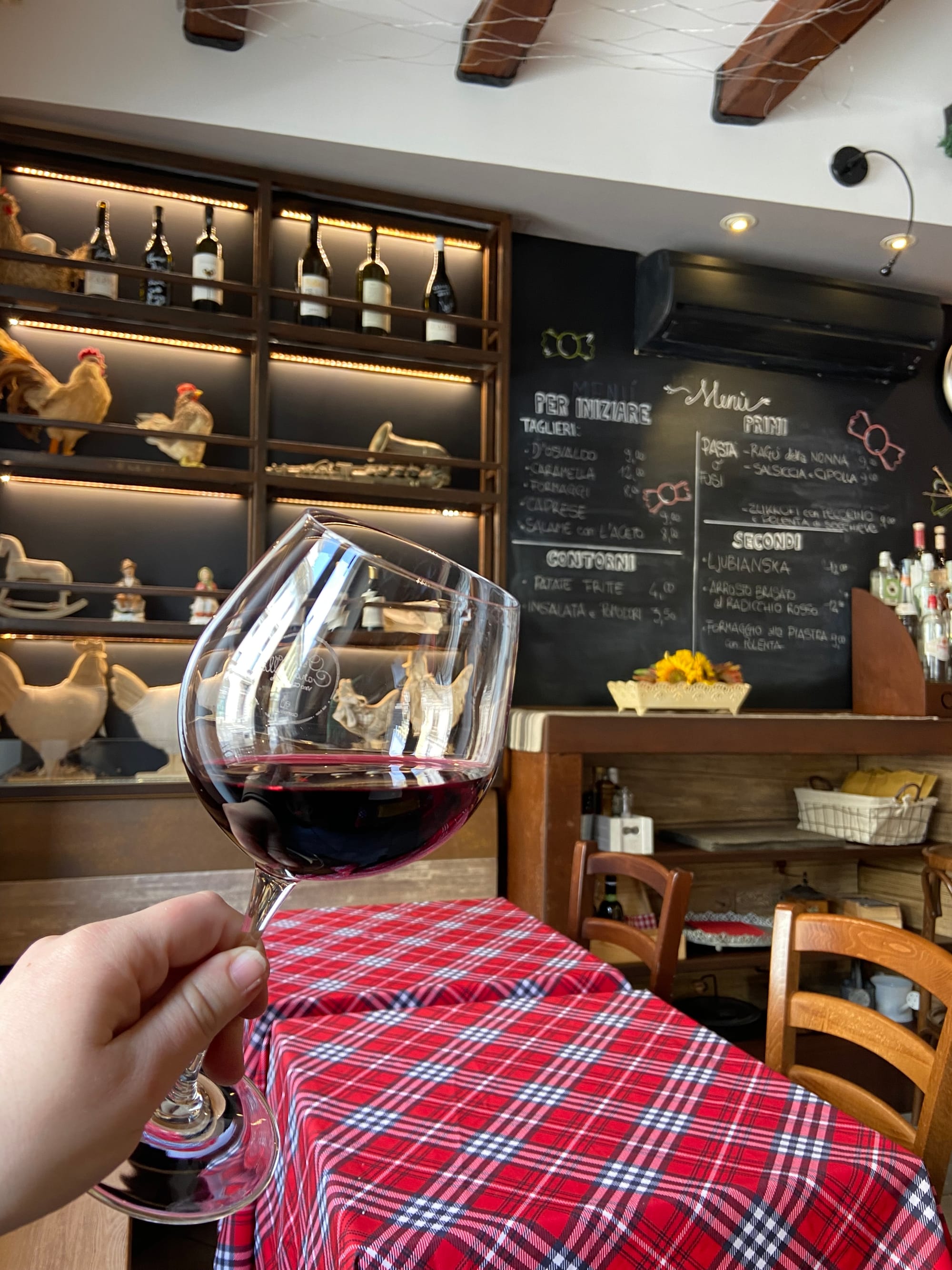
YOUNG: Good dreams: Calm summer evenings, technicolor sunsets, the silence in the vineyard, a crispy frico and a glass of red.
Bad dreams: Hornets. Realizing I didn't prepare for a tasting.
MODO DI BERE: Is there something you wish people would understand about Friuli-Venezia Giulia?
YOUNG: That it's not German, or Austrian. There's little or no German language spoken here, so it's not Alto Adige. It's so much more than "close to Venezia". It is an area of profound history (Aquileia, the Longobards, two world wars), incredible resilience (rebuilt not only after 2 wars, but also a devastating earthquake) and a dedication to hard work.
Finally, it is an amazing place to visit for everything I have explained up to now: food, nature, wine, people, cities, history, and it is unspoiled by mass tourism.
Follow Wayne on Threads @waynegrape
Listen to La Taverna Podcast
Rose Thomas Bannister, the host of the Modo di Bere podcast, interviewed Wayne:
https://www.mododibere.com/podcasts/en/s4e13-wayne-young-friulian-wine-podcast/
and Wayne interviewed Rose Thomas:
https://latavernafriuli.com/episode/rose-thomas-from-modo-di-bere-s08e08
The Sense of Place series is free to the public to read through the end of the Wine Doc Face Off campaign in October 2026.


